Going beyond the interface is key to providing value
Or: You don’t have to take the hammer approach
Problem
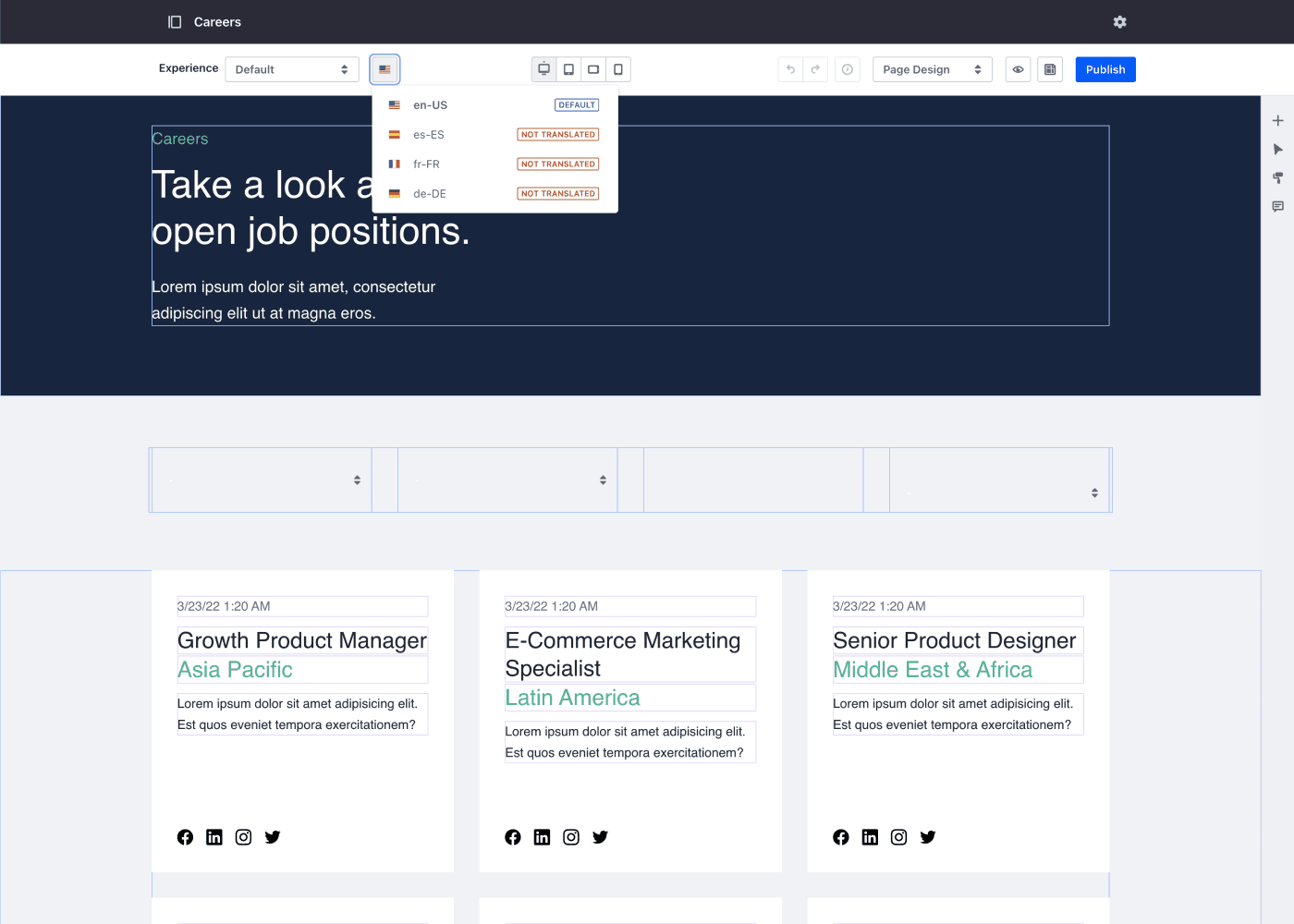
Most of Liferay’s customers support at least 2 languages, and some with large, public-facing websites often have a dozen or more languages.
While technically possible, translating at this scale requires a lot of error-prone manual work.
Role
As the team’s Product Designer, I worked with the Technical lead and PM to do end-to-end product design. From interviewing users to implementation QA.
Contributions
- User Research
- Workshop Facilitation
- Product Strategy
- Interaction Design
- Prototyping
- Usability Testing
- Quality Assurance
Impact
Cost Reduction90﹪
average hours saved per year550
Solution
Through a design sprint, I helped the team ideate to a largely non-interface solution would provide the most value to our customers.
This was achieved in three ways:
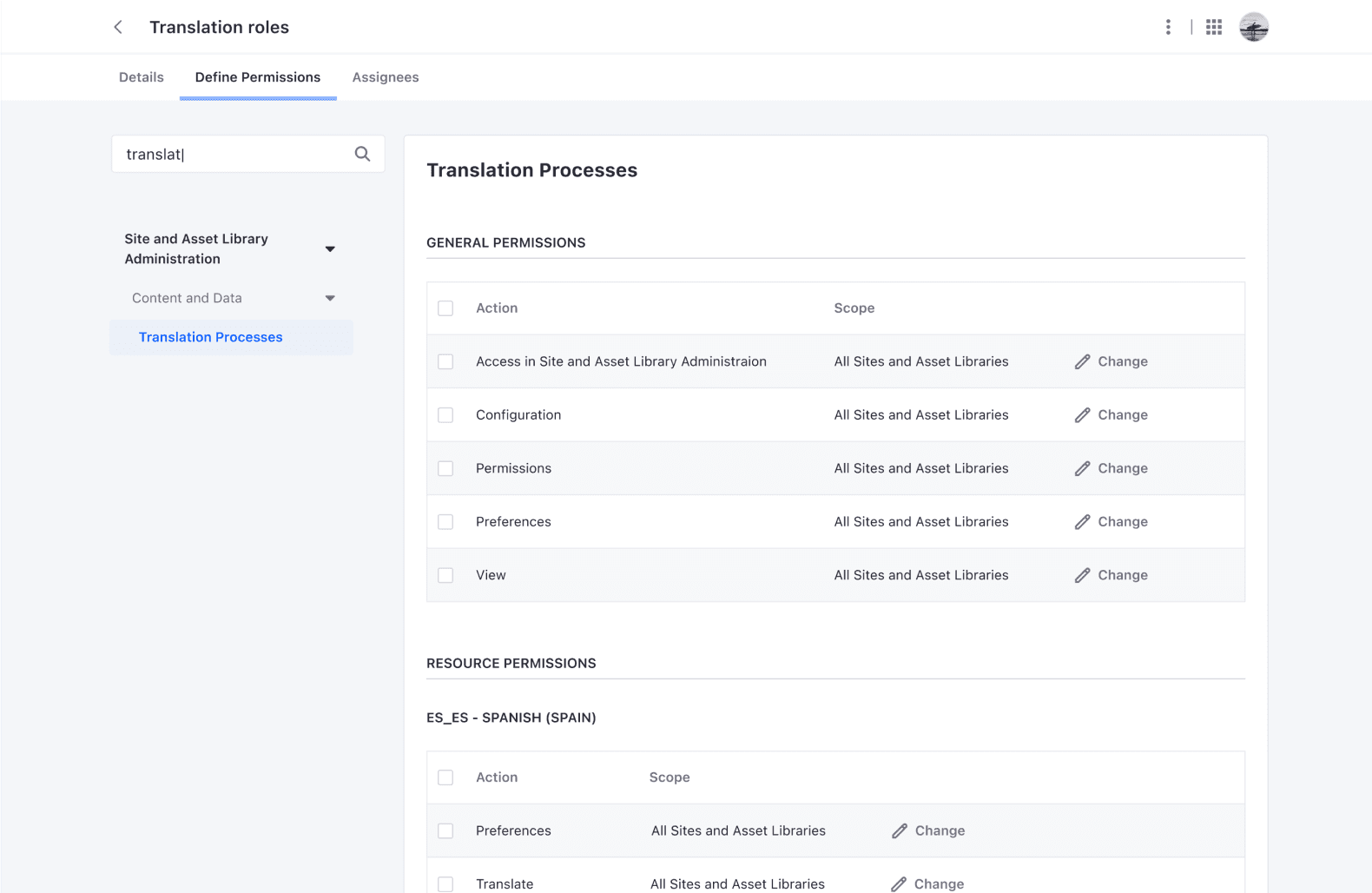
- Adding more granular permissions and dedicated roles for translators
- Adding
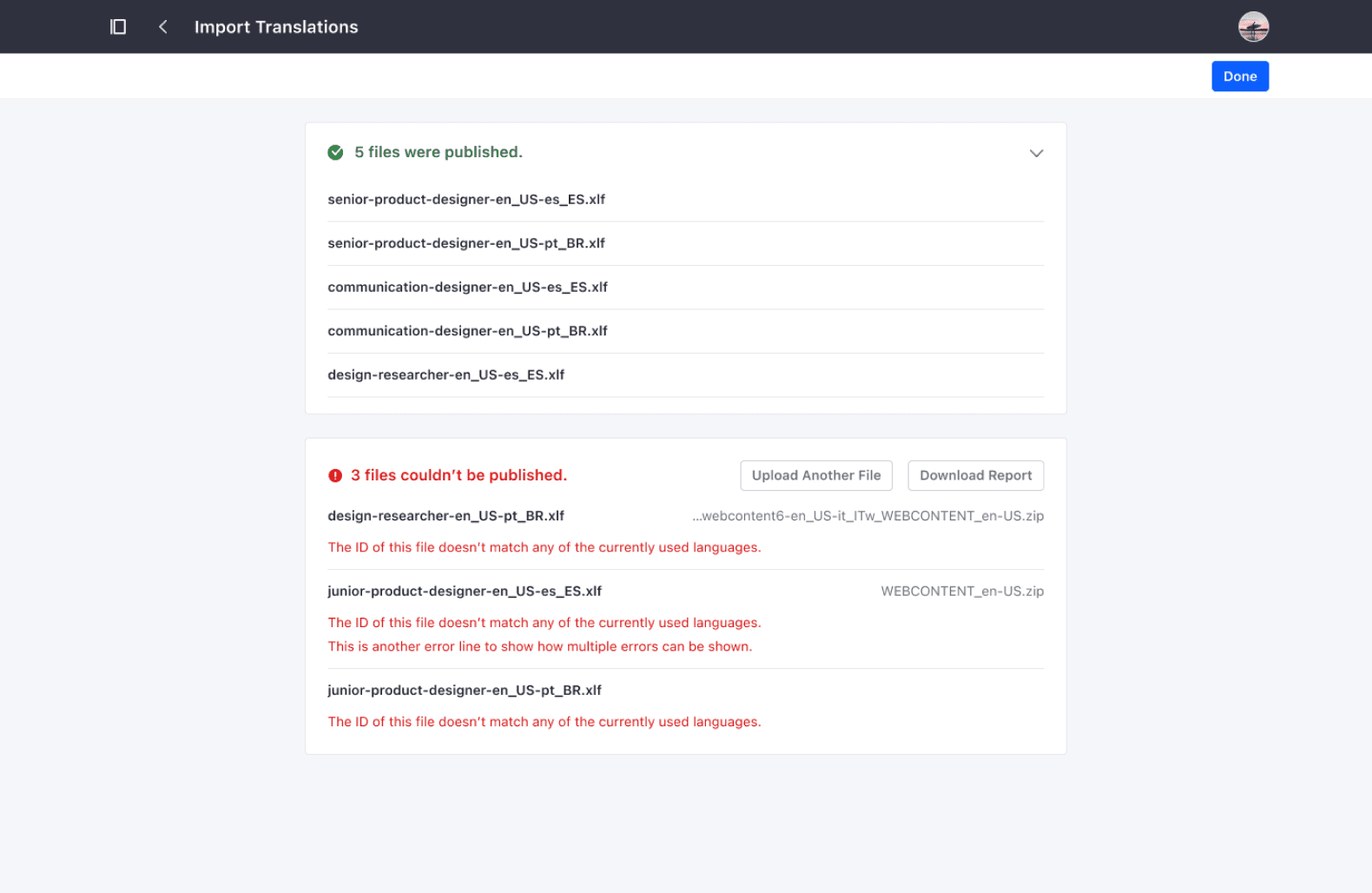
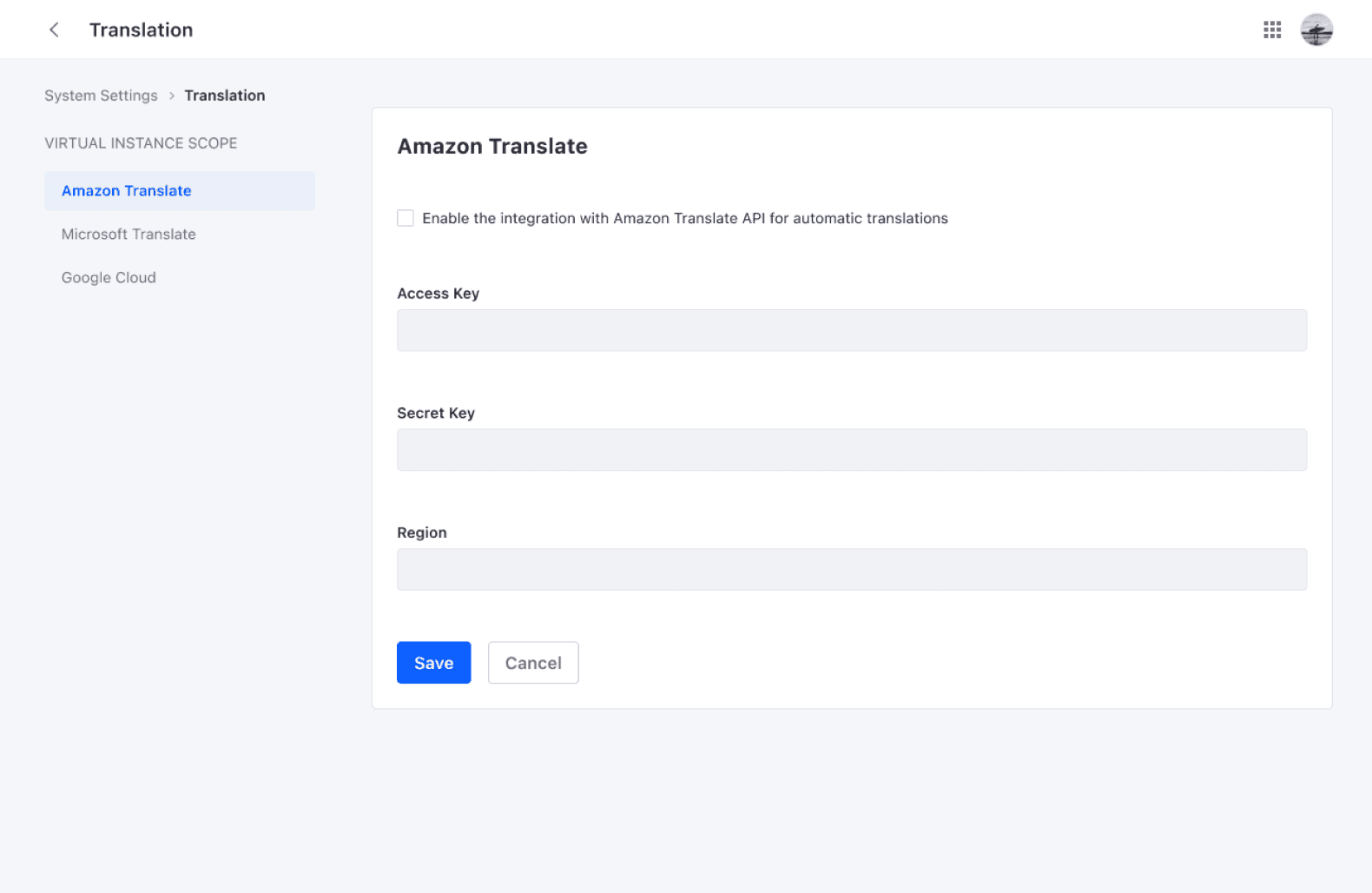
.xlfimport/export features to the existing content editing interface - Exposing an API and providing endpoints for integration with translation services
Process
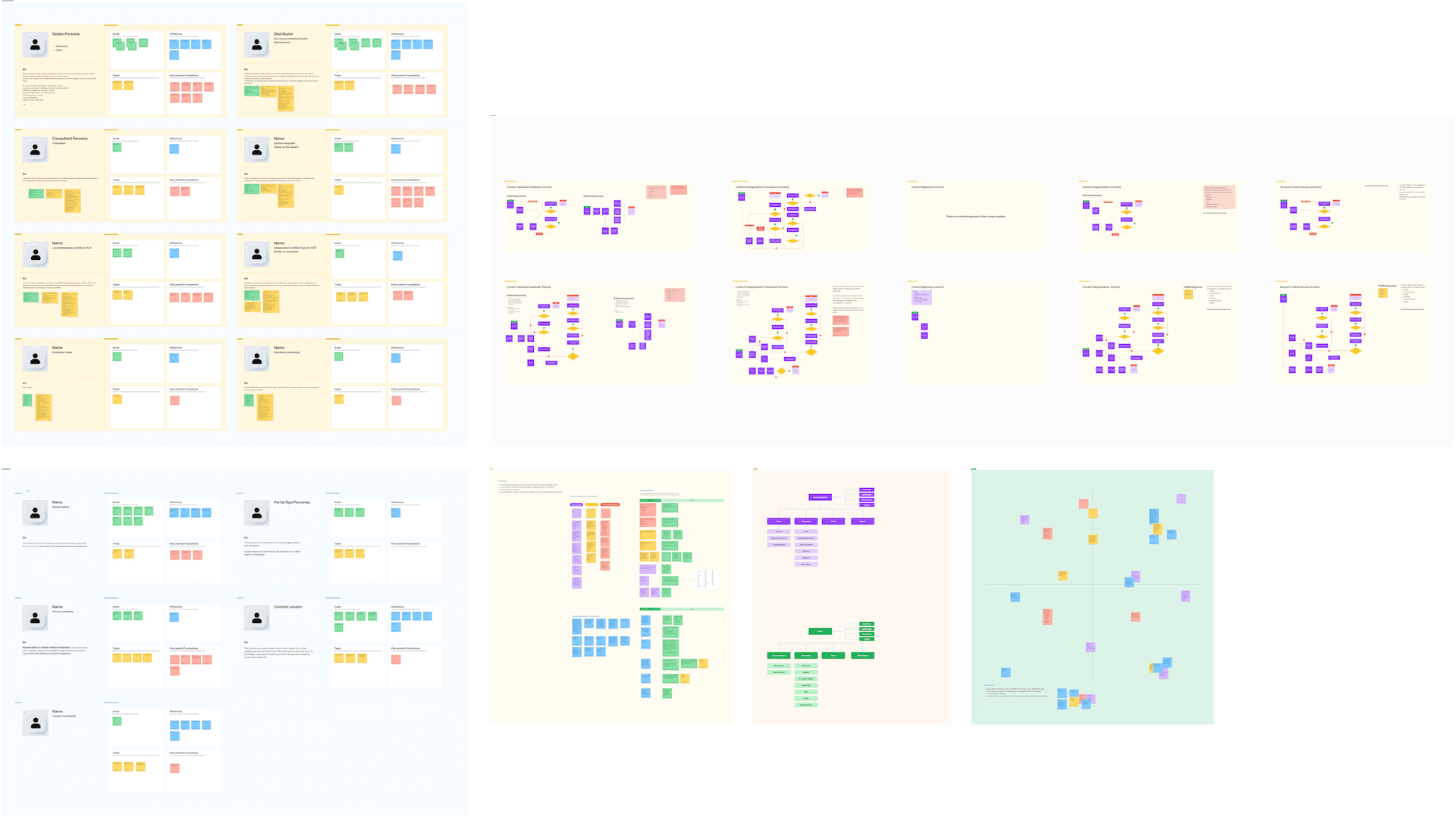
I conducted interviews with three user groups to better understand how people used the existing features:
- End-users: Direct feedback from customers and internal teams focused on goals, processes, and pain points.
- Customer Support: Gathered indirect user feedback and learned about the most common issues reported by customers.
- Consulting Services: Customer requirements from common customizations made to the product.
Two important insights from these interviews helped shape the solution:
Customer Insight No. 1
Larger customers often added vendors as users to their instance to translate content for them — this would often result in errors and was also cost-prohibitive.
Customer Insight No. 2
Customers often used spreadsheets outside of Liferay to achieve their goals of translating content.
Outcomes & Learnings
While this wasn't an entirely UI-less solution, interactions followed conventional patterns.
I added value by understanding and explaining user pain, helping the team to ideate and prioritize effort through business outcomes. And made a few mockups and prototypes along the way. Because of all this, we were able to expend the same (or less) effort on implementing the right solution quickly.
By focusing on user problems we created a huge amount of value, eliminated thousands of hours of busywork, enabling our customers and their customers to spend their time doing more meaningful work.